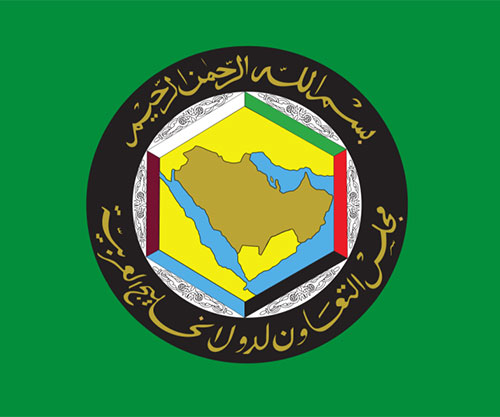





The Gulf Cooperation Council (GCC) marked, on May 25, the 45th anniversary of its establishment as a cohesive and successful regional bloc capable of confronting challenges and advancing steadily toward greater integration.
Over more than four decades, the GCC has demonstrated resilience in overcoming complex regional and international challenges, ranging from geopolitical and security developments to global economic crises and rising regional tensions, Kuwait News Agency (KUNA) reported.
GCC Secretary-General Jasem Al-Budaiwi stated to KUNA that the anniversary comes amid accelerating regional developments that underscore the importance of the GCC’s role in enhancing security, stability and protecting the interests of member states and their peoples.
Al-Budaiwi said that the GCC since its establishment has embodied Gulf leaders’ vision based on unity, solidarity and integration in confronting regional and international challenges. He said the GCC has consolidated its position as an effective platform for political coordination, economic integration, and security and defense cooperation among member states throughout its extended journey.
Al-Budaiwi recalled the 19th consultative meeting of GCC leaders held on April 28, 2026, and their directives to strengthen joint Gulf projects to promote prosperity and welfare for Gulf peoples.
He added that current regional tensions and security challenges require greater Gulf solidarity and enhanced joint action to preserve the security and stability of GCC states and safeguard their development achievements. Al-Budaiwi stressed that the GCC remains a successful regional model for joint action through unified positions and balanced visions based on regional security, respect for international law and support for peaceful solutions and dialogue.
He reaffirmed that the GCC is moving forward in strengthening unity and completing the path of Gulf integration in line with the aspirations of GCC leaders, while reinforcing its role in supporting regional and international peace and security. During its journey, the GCC achieved major milestones supporting Gulf integration, including the Gulf Common Market (GCM), GCC Customs Union, GCC power grid interconnection, and enhanced coordination in defense, security, economy, energy, education, health and digital transformation.
In the security field, the GCC has served as a strategic umbrella for coordination in addressing regional threats through joint defense mechanisms, most notably the Peninsula Shield Force, while unifying positions on issues affecting regional security and stability. The GCC has also strengthened its political and diplomatic presence through unified positions on regional and international crises and by expanding strategic partnerships with major countries and blocs, including the European Union, the United States, China and Russia.
Economically, the GCC has continued supporting economic diversification and development transformation in member states through ambitious national visions aimed at reducing dependence on oil, promoting investment and innovation, empowering the private sector and creating jobs.