




The United States Navy confirmed plans to increase production of the Hammerhead anti-submarine mine system through a contract modification expected to be awarded to General Dynamics Mission Systems, according to a presolicitation notice released by Naval Sea Systems Command on March 13.
The notice states that the Navy intends to modify an existing contract to increase the number of Hammerhead production units available under the program. Officials said the additional systems are required to meet operational fleet requirements beginning in fiscal year 2027, DEFENCE BLOG reported.
According to the announcement, the contract modification will be issued using a procurement method that does not involve full and open competition. The Navy determined that General Dynamics Mission Systems is currently the only company capable of providing the additional systems within the required timeframe without causing delays.
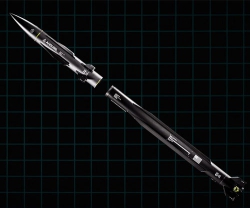
The Hammerhead system is a modern underwater mine designed to counter submarines. It is based on a moored-torpedo concept, meaning the weapon remains anchored underwater until its sensors detect a target submarine, at which point it launches a torpedo to engage the threat.
The Navy previously awarded General Dynamics Mission Systems a contract to design, develop, and produce the Hammerhead system. The program is currently moving through production preparations as the government continues to assemble a full technical data package for the platform.
The Navy’s decision to expand production reflects a growing emphasis on undersea warfare capabilities. Submarines remain among the most difficult threats for naval forces to detect and counter, particularly in strategically important maritime corridors.
Hammerhead mines are intended to act as automated anti-submarine defenses capable of detecting, classifying, and engaging enemy submarines without requiring a crewed ship. The concept behind the Hammerhead mine system is to allow U.S. naval forces to operate farther from increasingly capable Russian and Chinese submarine fleets while maintaining the ability to deny access to key maritime areas.
In operational terms, the system uses underwater sensors to monitor the surrounding environment for submarine activity. Once a target is detected and confirmed as a hostile submarine, the mine releases a torpedo designed to intercept and destroy the target.
This type of system can be deployed in strategic locations such as maritime choke points, sea lanes, or areas near friendly Naval Forces.
Because the system operates autonomously after deployment, it can maintain persistent underwater surveillance and strike capability for extended periods.
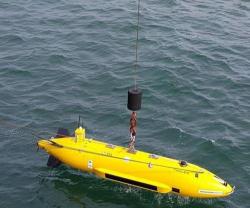
The Navy is exploring ways to deploy the Hammerhead system using unmanned underwater vehicles, allowing naval forces to place the mines without sending crewed vessels into potentially contested areas.
General Dynamics Mission Systems has long been involved in the development of maritime technologies and undersea warfare systems. Autonomous mine systems such as Hammerhead could be deployed in narrow waterways or near strategic passages, creating areas where hostile submarines would face greater risk.
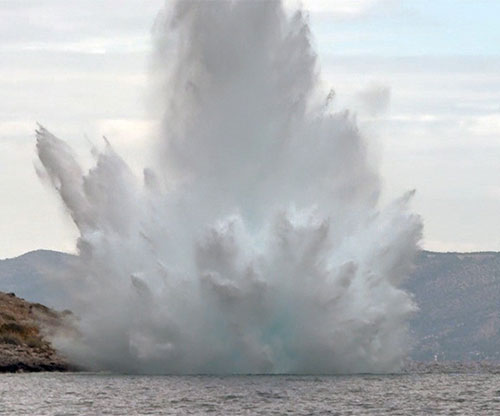
Such systems may complicate attempts by adversary naval forces to operate close to U.S. or allied fleets to remain in the immediate area. (DEFENCE BLOG; Photo © David Said)