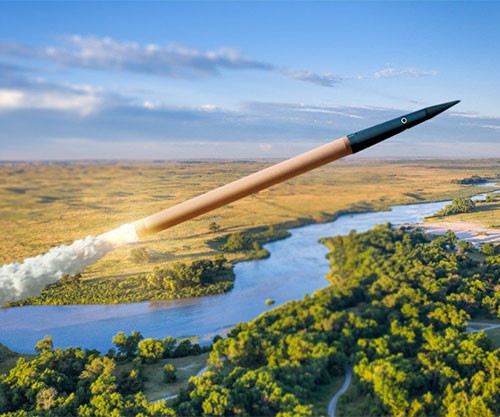





L3Harris Technologies has signed a framework agreement with the U.S. Department of War (DoW) and Lockheed Martin for a multi-year contract to quadruple propulsion production for the Terminal High Altitude Area Defense (THAAD) system.
This significant expansion in propulsion capacity further strengthens the nation’s Arsenal of Freedom, made possible through the Department of War’s Acquisition Transformation Strategy that accelerates delivery of critical capabilities to the field.
L3Harris produces THAAD’s Solid Rocket Boost Motors (SRBMs) and Liquid Divert and Attitude Control Systems (LDACS) for the Missile Defense Agency. The contract will span seven years and will be the largest THAAD propulsion award L3Harris has received to date. The contract is expected to be definitized later this year.
“This framework agreement reaffirms L3Harris’ proven capability to quickly deliver critical defense systems at the rate the Department of War demands,” said Ken Bedingfield, President, Missile Solutions, L3Harris.
“The agreement builds upon our ongoing investments to build new facilities, incorporate modern manufacturing practices and bolster our suppliers to ensure we can support the critical systems that protect our nation and allies,” he added.
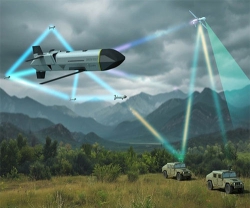
THAAD can intercept threats both within and outside the Earth’s atmosphere, providing a vital capability for defense against ballistic missile attacks. As one of the nation’s primary defenses against short, medium and intermediate-range missiles, THAAD is a combat-proven system which has achieved a 100% success rate in intercept tests since production began.
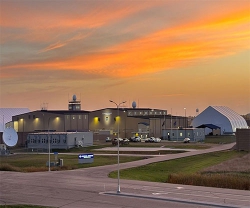
L3Harris is delivering on or ahead of contract for LDACS and SRBMs. The company manufactures THAAD SRBMs in Huntsville, Alabama, and Camden, Arkansas. LDACS, manufactured at the company’s Los Angeles site, is a highly responsive thruster system that maintains THAAD’s kinetic kill vehicle on target during the later stages of an intercept.
The Department of War’s Munitions Acceleration Council has identified several key programs powered by L3Harris propulsion, including THAAD, for capacity expansion.
L3Harris Technologies has also signed a transformational framework agreement with the Department of War (DoW) and Lockheed Martin, leveraging the government’s multi-year procurement authorities to enable a long-term contract for the PAC-3® Missile Segment Enhancement (MSE).
This landmark step represents a dramatic acceleration in America’s ability to surge critical munitions production - fortifying the nation’s Arsenal of Freedom and ensuring its warfighters remain equipped with the ability to project unmatched power whenever and wherever needed.
As L3Harris’ largest PAC-3 propulsion agreement to date, it will allow the company to nearly triple production for a range of propulsion products supporting the PAC-3 MSE interceptor. The contract is expected to be definitized later this year.
“This critical, long-term agreement will allow us to continue to move at unprecedented speed and produce PAC-3 propulsion at rates never before seen. We are actively preparing our facilities and our suppliers to meet the required ramp as well as introducing additional capacity to support future needs of the DoW and our allies and strengthen the Arsenal of Freedom,” Ken Bedingfield explained.
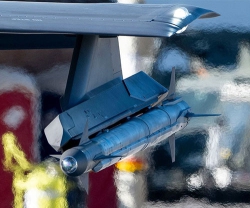
The seven-year framework includes production of the PAC-3 MSE’s advanced, two-pulse solid rocket motor; Attitude Control Motors (ACMs); and the Lethality Enhancer. The Lethality Enhancer is an explosive device that increases the ground-based PAC-3’s kill radius against threats, including cruise missiles.
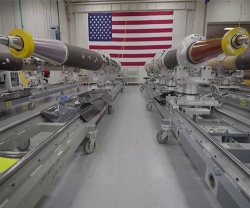
The company’s PAC-3 MSE motor manufacturing facility in Camden, Arkansas, includes dedicated processing bays with improved throughput and automated digital X-ray equipment, which has lowered inspection and cycle times.
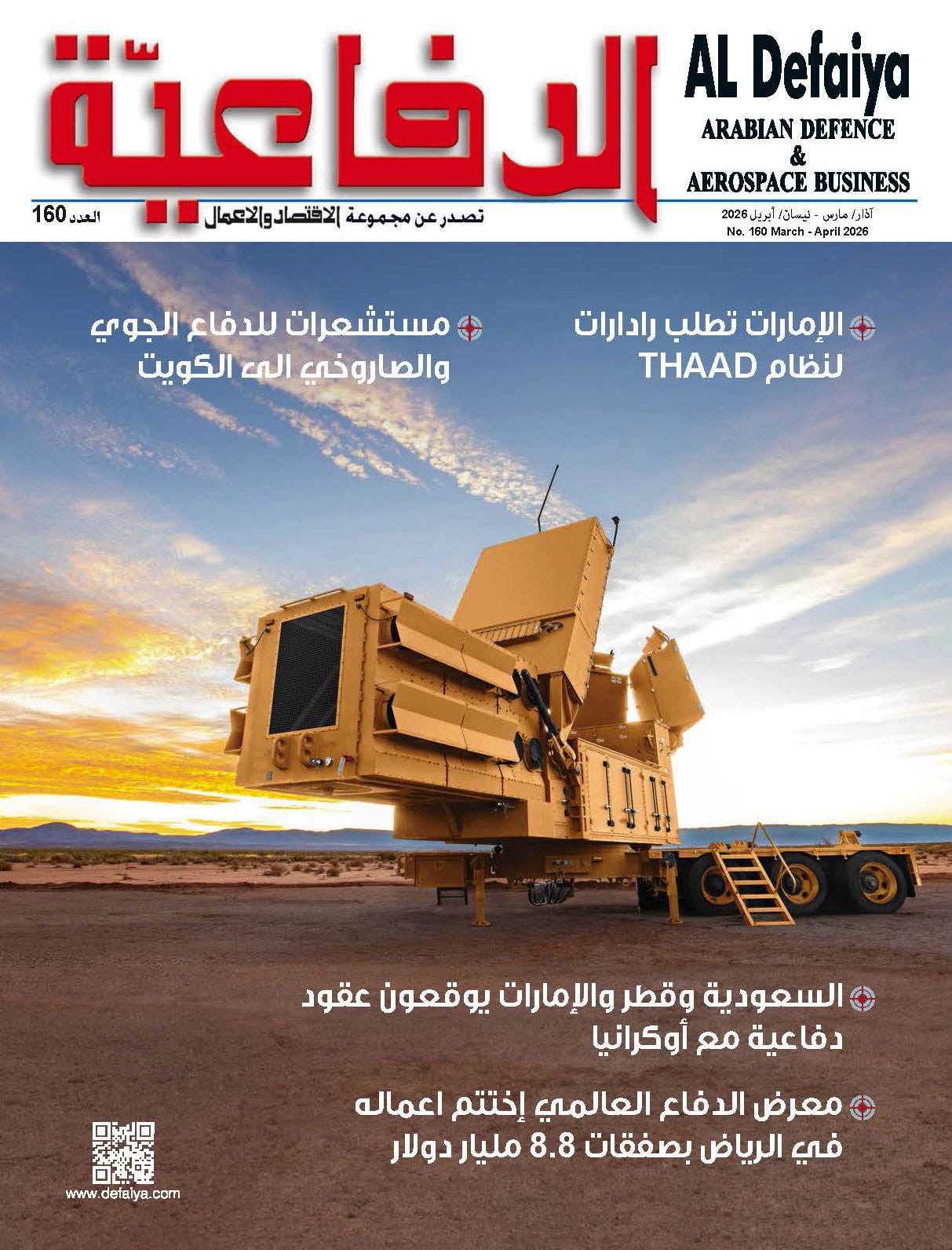
L3Harris is answering the DoW’s call to speed production of critical munitions, investing billions, constructing ~60 facilities and adding or upgrading nearly 1 million square feet of manufacturing and office space across the company’s solid rocket motor production sites in Alabama, Virginia and Arkansas. (Photo: Terminal High Altitude Area Defense (THAAD) System © Lockheed Martin)